
Running a Check in New Mexico
The official New Mexico DPS Sex Offender Registry is the central public starting point. It is powered by OffenderWatch and managed by the Sex Offender Registry Unit within the DPS Law Enforcement Records Bureau. New Mexico's Sex Offender Registration and Notification Act, or state SORNA, controls who must register, how often information must be verified, and which entries may be released to the public. The state acronym should not be confused with the federal law that uses the same short name.
Registration begins with a county sheriff. Sheriffs collect and verify registration details, enter them into OffenderWatch, and send updates to DPS. The same system produces the statewide public registry and serves as a conduit to NCIC. This split matters. Search the state portal for publishable entries, but direct a correction, move, or suspected compliance problem to the sheriff responsible for the registration and to DPS when needed.
New Mexico OffenderWatch Network
OffenderWatch connects New Mexico's 33 county sheriffs with the state registry. A sheriff records an initial registration and later changes. DPS maintains the central file, publishes the portion allowed by law, and sends weekly reminders based on due dates. The system also helps DPS translate tribal, federal, military, foreign, and out-of-state convictions into the closest New Mexico offense for registration frequency and duration.
This is why a web profile is not the whole registration file. Sheriffs and DPS collect more data than the public may see, including fingerprints, palm prints, DNA, online identifiers, phone numbers, vehicles, licenses, and school information. Public access is narrower. For the correct local office, use the New Mexico county directory; the sheriff in the county of residence owns the local registration and verification work.
Note: A county sheriff maintains the local registration, while New Mexico DPS controls the central registry and statewide public display.
Searching the New Mexico DPS Registry
The DPS-linked OffenderWatch search is free. It opens through a disclaimer gateway. Verified search modes include name, address or “in your area,” city, ZIP-based narrowing, email alerts, and tip submission. The exact radius choices can change and were not reliably exposed during research, so read the choices shown on the live form.
- Accept the official disclaimer and choose a name or place-based search.
- Enter a legal name or alias, or use an address, city, and the live geographic controls.
- Open the source profile and confirm the registering county, status, photograph, address, and offense actually displayed.
- Report errors to the registering sheriff and DPS. Do not contact or confront the listed person.
| Field or control | Type | Use and limit |
|---|---|---|
| Disclaimer acceptance | Gateway | Required before entering the registry search. |
| First and last name | Text | Searches publishable names and aliases; neither field is claimed as required. |
| Address, city, ZIP | Geographic | Narrows the New Mexico registry by place. |
| Radius | Dropdown | Available on the live form; current distance choices must be read there. |
| Email alert | Signup | Sends covered move notices near a selected location. |
| Submit a tip | Action | Reports nonurgent information; call 911 for an emergency. |
Search terms should be treated as leads, not identity proof. Confirm aliases, physical details, the registering county, and the source profile before relying on a possible name match.
Missing New Mexico Registry Results
No search result is not proof of a clean history. DPS warns that not every person convicted of a sex offense must register and not every registered person may be published. A person may be in a non-releasable group, under an out-of-state equivalency review, registered with another jurisdiction, outside the law's coverage, or out of compliance. A delay in a local update can also affect the statewide display.
If facts suggest that registration applies, preserve the live search details and contact the county sheriff or the DPS Sex Offender Registry Unit. Do not investigate an address yourself. A New Mexico court file answers what happened in a criminal prosecution, while the registry answers whether DPS currently publishes a statutory registration entry. Those are different questions and different records.
The New Mexico equivalency procedure shows how much legal review may sit behind an entry.
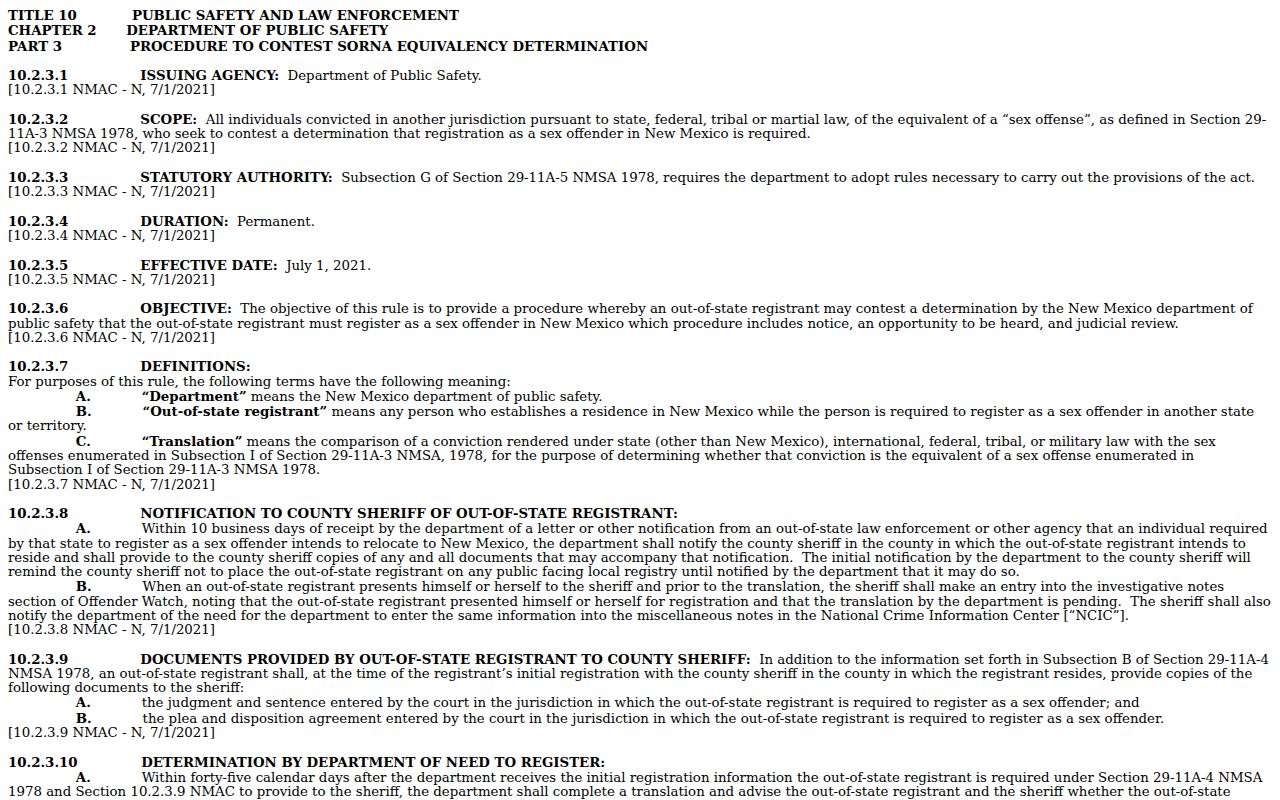
The procedure helps explain why an out-of-state conviction cannot be classified from a title alone.
Note: Pending equivalency review can delay publication, so supply official conviction papers and follow the review deadlines instead of guessing.
What a Profile Shows
A publishable New Mexico profile can identify a person and show the location and conviction facts that state law permits. The exact vendor label should be read on the live entry. The public display is not a full criminal history, and it excludes many details kept in the sheriff's law-enforcement file.
| Name and aliases | Legal name and known aliases on a publishable registration. |
|---|---|
| Photograph and description | Current photograph plus permitted physical traits, scars, tattoos, and distinguishing features. |
| Registered location | Current and habitual residence address for the group that state law authorizes for publication. |
| Qualifying offenses | The public list of convictions that support the registration entry. |
| Status and county | Operational registry information that should be confirmed on the live profile. |
| Not public | SSN, DNA, victim identity, prints, phones, online identifiers, and other restricted data. |
New Mexico law also protects youthful-offender information in specified circumstances. Vehicle, license, school, and online-identifier details may be collected for law enforcement without becoming public website fields.
New Mexico Proximity Alerts
OffenderWatch lets a user register for email notice when a published registrant moves into a selected area. Alerts are free and may cover more than one address. They can also follow certain changes tied to a specific published entry. An alert is not GPS tracking. It reflects the registration and agency update available to the system, so each notice should be checked against the current official profile.
The OffenderWatch alerts source describes how proximity notices work.
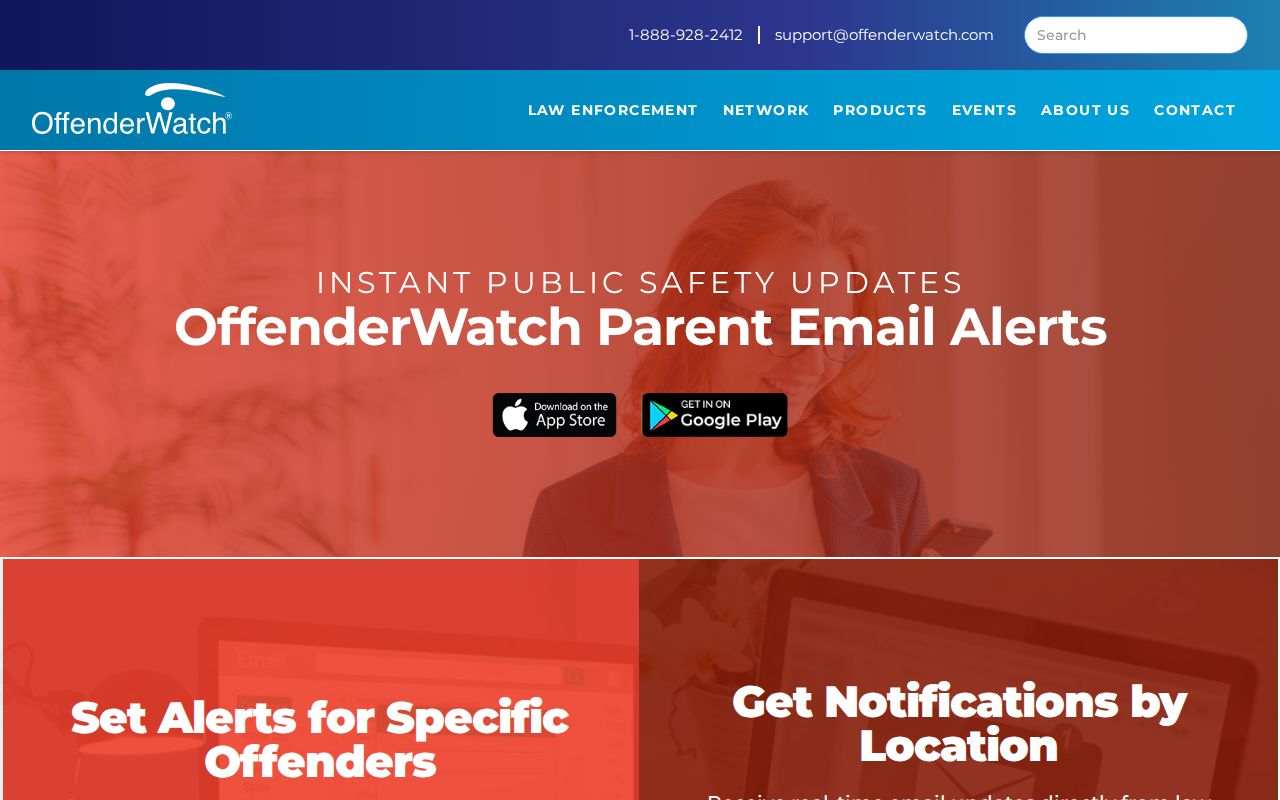
The alert tool supports awareness, while the responsible sheriff remains the source for a registration correction or compliance report.
Active community notice is separate. For a publicly notifiable person, the sheriff must notify licensed daycares and schools within one mile of the residence within the statutory period. That one-mile measure is a notification radius. It is not a statewide ban on where a registrant may live.
Registration Requirements and Levels
New Mexico does not use a current Tier I, II, and III framework. DPS instead lists operational groups such as 90-day, annual, and semiannual registrants, including non-releasable groups. “Non-releasable” means the entry is not published, not that the person has no registration duty. Classification turns on the offense and key conviction or release dates.
| Current statutory group | Duration | Verification |
|---|---|---|
| Specified serious offenses under §29-11A-5(D) | Natural life | At least every 90 days |
| Specified offenses under §29-11A-5(E) | 10 years after the latest controlling conviction or release date | Every six months |
| Second or later §29-11A-5(E) conviction | Natural life | Every 90 days |
| Other-jurisdiction registrant | Translated New Mexico duration or time remaining elsewhere | No less often than every six months |
A 2026 proposal would have added numbered tiers, but it died. It is not current law. Direct a personal classification question to the sheriff or DPS rather than mapping New Mexico labels onto a generic federal tier chart.
Note: Verification frequency and public release are separate questions; a non-releasable registrant can still have an active reporting duty.
New Mexico Residency Rules
DPS states that New Mexico has no blanket statewide residential distance restriction for registrants. That does not mean every residence is allowed in every case. A person on probation or parole may have an individual condition involving a school or daycare. NMCD is the right source for supervision conditions. The one-mile school and daycare rule in registry law concerns community notice, not residence.
State preemption also limits local additions. Under §29-11A-9, state and local bodies generally may not demand more frequent reports, extra registry information, or added restrictions outside the act. Local governments generally could not enact or amend registration-notification ordinances after the law's cutoff, subject to a narrow grandfather clause. Verify an actual supervision order or valid local rule instead of assuming a universal buffer.
New Mexico Registry Versus NSOPW
The New Mexico portal gives the strongest state detail and its local alert path. The federal Dru Sjodin National Sex Offender Public Website, or NSOPW, searches participating state, territorial, and Indian Country public registries. It does not create a single master record. Each jurisdiction still owns its information, and participation or update timing can affect the result.
The official NSOPW search is useful for a cross-border or tribal-jurisdiction check.
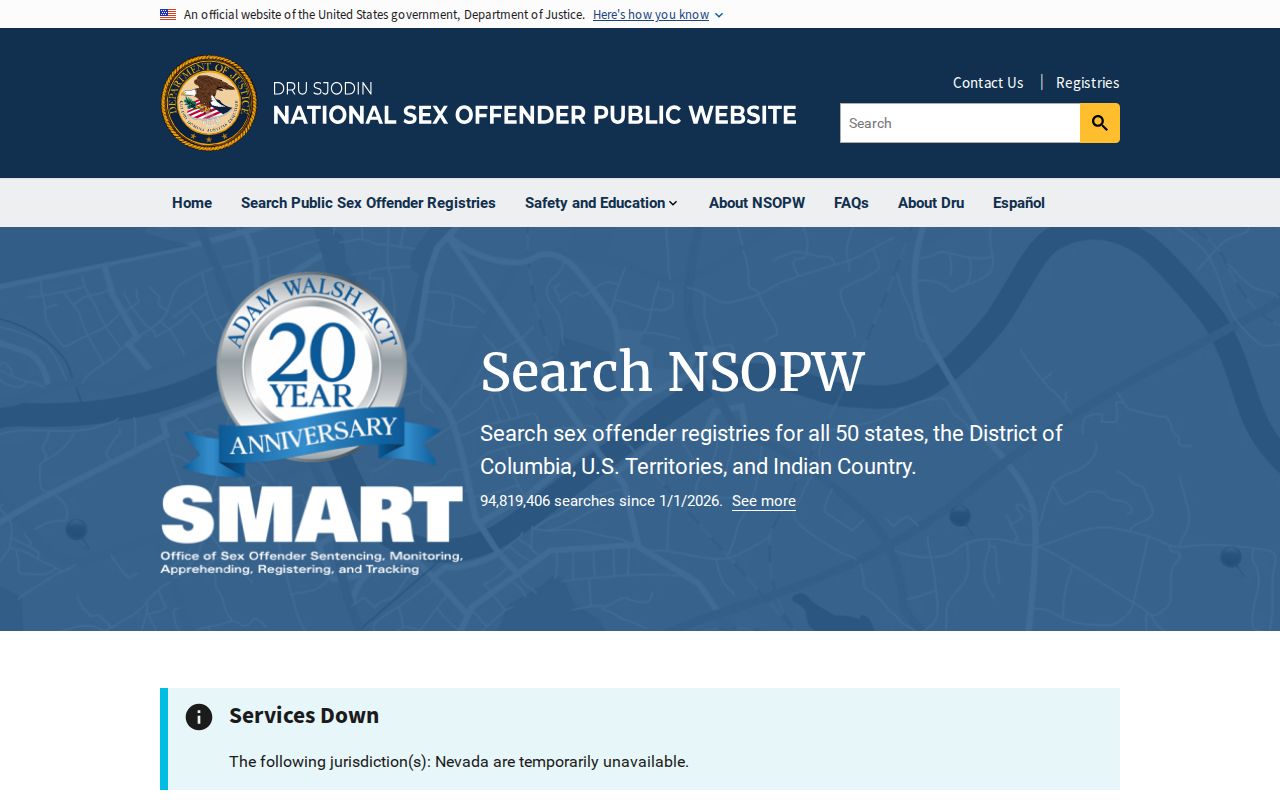
Open the source jurisdiction's profile after a national match, then verify the data with that sheriff or registry.
For name searches, NSOPW uses first and last name. Its geographic controls include county, city or town, ZIP, and jurisdiction selection. Address-radius mode calls for an address, city or town, state, and distance. This national index is especially useful in New Mexico because tribal registries are distinct and DPS separately handles equivalency decisions.
Lawful Use
Registry information serves personal, family, and community safety. It should guide calm awareness and contact with public agencies. If an address or status appears wrong, send the live profile and the observed issue to the registering sheriff or DPS. Suspected willful noncompliance may also be reported through the tip channel. The public role is to report, not to investigate.
Use registry data lawfully. New Mexico does not create a special offense named “registry misuse,” but threats, stalking, harassment, trespass, assault, intimidation, or retaliation can bring criminal prosecution or civil liability. Never confront, follow, expose, or threaten a listed person.
DPS's Sex Offender Apprehension Program, known as SOAP, investigates knowing and willful failures to register or renew. LERB staff can assemble conviction, supervision, notice, and address evidence for a warrant investigation. An initial willful failure can be a fourth-degree felony, with later violations subject to greater penalties. Call 911 for an immediate danger. Use ordinary sheriff or DPS contacts for a nonurgent concern.
Note: Registry data are a safety resource, not a substitute for a court judgment, supervision order, or current sheriff verification.